Archives
- 2026-08
- 2026-07
- 2026-06
- 2026-05
- 2026-04
- 2026-03
- 2026-02
- 2026-01
- 2025-12
- 2025-11
- 2025-10
- 2025-09
- 2025-03
- 2025-02
- 2025-01
- 2024-12
- 2024-11
- 2024-10
- 2024-09
- 2024-08
- 2024-07
- 2024-06
- 2024-05
- 2024-04
- 2024-03
- 2024-02
- 2024-01
- 2023-12
- 2023-11
- 2023-10
- 2023-09
- 2023-08
- 2023-07
- 2023-06
- 2023-05
- 2023-04
- 2023-03
- 2023-02
- 2023-01
- 2022-12
- 2022-11
- 2022-10
- 2022-09
- 2022-08
- 2022-07
- 2022-06
- 2022-05
- 2022-04
- 2022-03
- 2022-02
- 2022-01
- 2021-12
- 2021-11
- 2021-10
- 2021-09
- 2021-08
- 2021-07
- 2021-06
- 2021-05
- 2021-04
- 2021-03
- 2021-02
- 2021-01
- 2020-12
- 2020-11
- 2020-10
- 2020-09
- 2020-08
- 2020-07
- 2020-06
- 2020-05
- 2020-04
- 2020-03
- 2020-02
- 2020-01
- 2019-12
- 2019-11
- 2019-10
- 2019-09
- 2019-08
- 2019-07
- 2019-06
- 2019-05
- 2019-04
- 2018-11
- 2018-10
- 2018-07
-
In essential hypertensive patients it is known
2020-11-20
In essential hypertensive patients, it is known that the CB is enlarged (Habeck, 1986). In addition to morphological changes in the CB, hyperventilation was reported in essential hypertensive patients at resting conditions (Trzebski et al., 1982). Furthermore, CB is innervated by postganglionic symp
-
RLS is a genetically complex disorder
2020-11-20
RLS is a genetically complex disorder in which genetic and environmental factors contribute to the phenotype (Trenkwalder, Allen, Högl, Paulus, & Winkelmann, 2016). This disease is highly familial and six genetic variants with single nucleotide polymorphisms have been identified by genome-wide assoc
-
br As mentioned above defects in the
2020-11-20
As mentioned above, defects in the DNA ligase IIIα-interacting protein TDP1 have been identified as the cause of the hereditary neurodegenerative disease, spinocerebellar ataxia with axonal neuropathy 1 (El-Khamisy et al., 2005). In addition, defects in two other DNA repair proteins, aprataxin and
-
There was a good alignment profile between compound
2020-11-20
There was a good alignment profile between compound 26 (IC50 0.06μM) and MTX (IC50 0.08μM) explaining its activity pattern (Fig. 5a). Fig. 5b clearly indicates a different alignment profiles where carbonyl groups are not on the same side between 25 (IC50>100.0μM) and MTX which is in consistency with
-
Henderson et al reported that allergen induced
2020-11-19
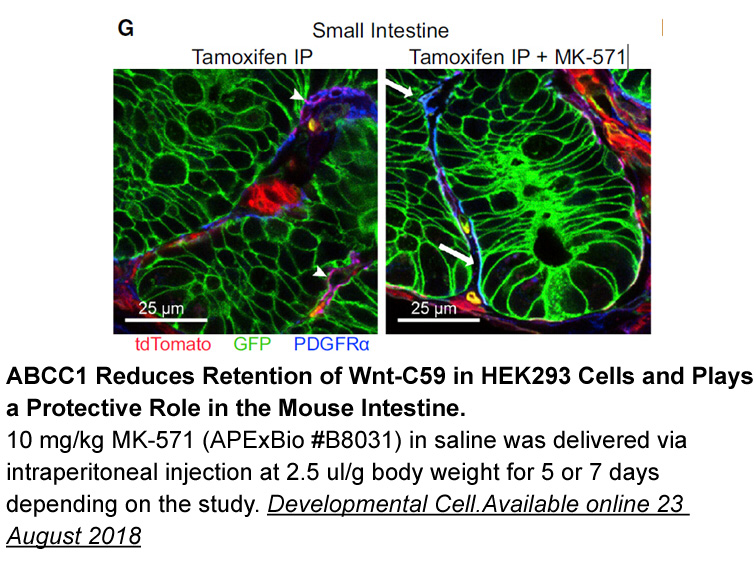
Henderson et al. [20] reported that allergen-induced airway remodeling was blocked by the CysLT1 receptor antagonist montelukast. The development of epithelial thickening and mucus accumulation at relatively small SGX-523 receptor was also suppressed by montelukast. The CysLT2 receptor antagonist Ba
-
Fructose Colorimetric/Fluorometric Assay Kit br Funding sour
2020-11-19
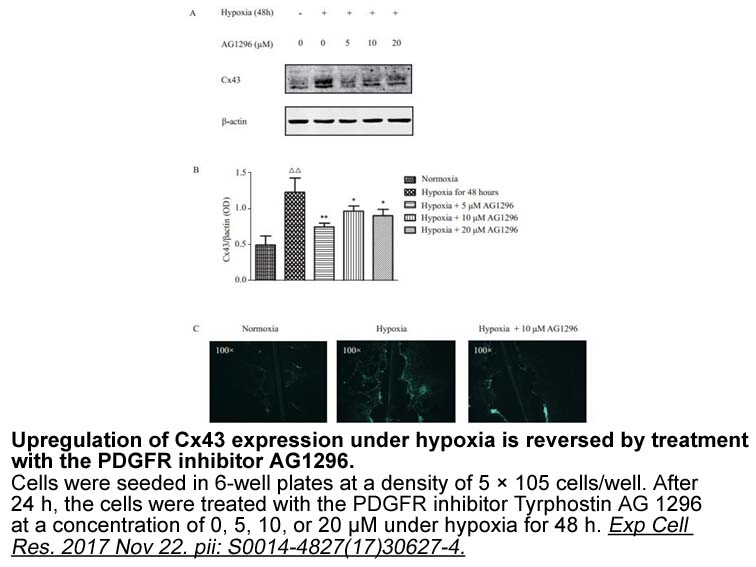
Funding sources Introduction Psychiatric comorbidities affect up to 70% of people with pharmacoresistant epilepsy and significantly impact quality of life [1]. Psychiatric comorbidities in epilepsy have been thought to be due to psychosocial stress. However, recent evidence suggests a more com
-
br Conclusion In conclusion our findings do not
2020-11-19
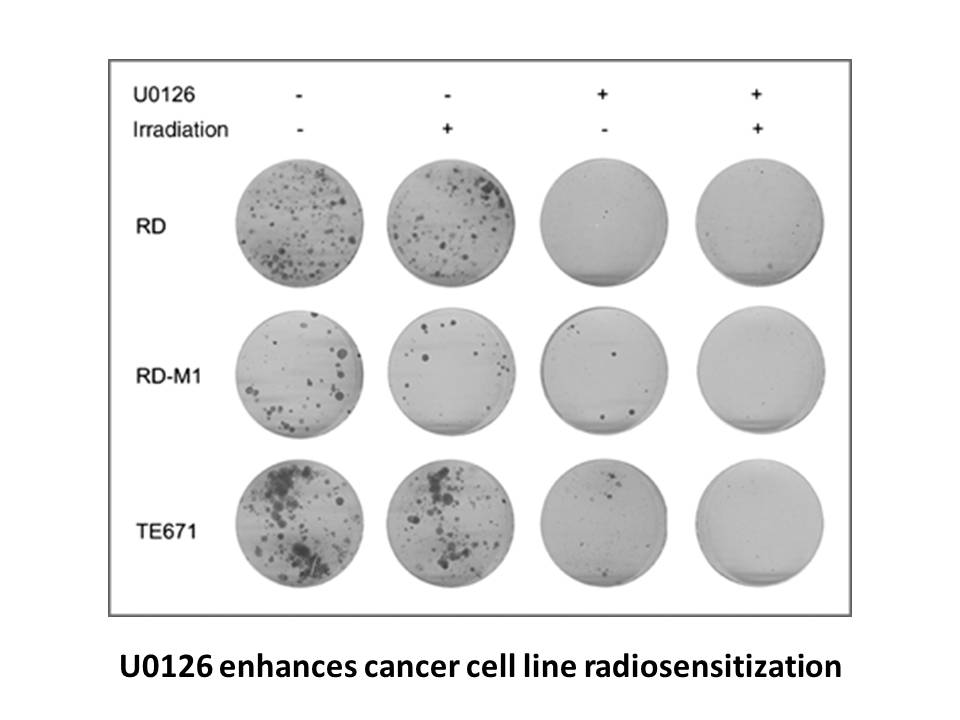
Conclusion In conclusion, our findings do not suggest that HT is an important determinant of future AD risk and are in line with a recent Cochrane review stating that HT is not indicated for preventing dementia or cognitive decline in postmenopausal women [13]. Contributors Conflict of inte
-
ERRGO mice exhibited increased oxygen
2020-11-18

ERRGO mice exhibited increased oxygen consumption, decreased RER, high running endurance, and resistance to diet-induced weight gain. These changes are physiological hallmarks of increased aerobic capacity in mice and are a direct consequence of engineering highly oxidative and vascularized muscle b
-
After activation AKT phosphorylates target
2020-11-18
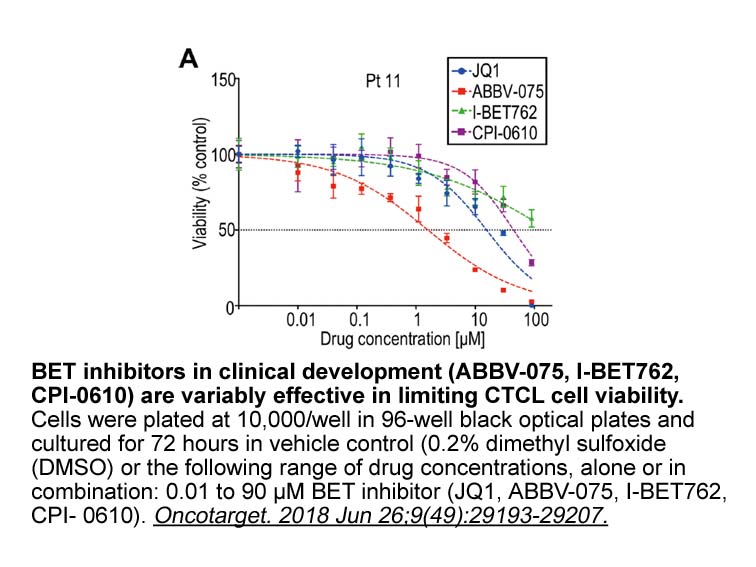
After activation, AKT phosphorylates target proteins involved in cell growth, metabolism and survival (Manning and Cantley, 2007). For example, AKT phosphorylates the pro-apoptotic protein BAD, preventing it from binding to and inactivating Bcl-xL in mitochondria (Datta et al., 1997). In turn, Bcl-x
-
In vitro studies suggest that cPLA does
2020-11-18
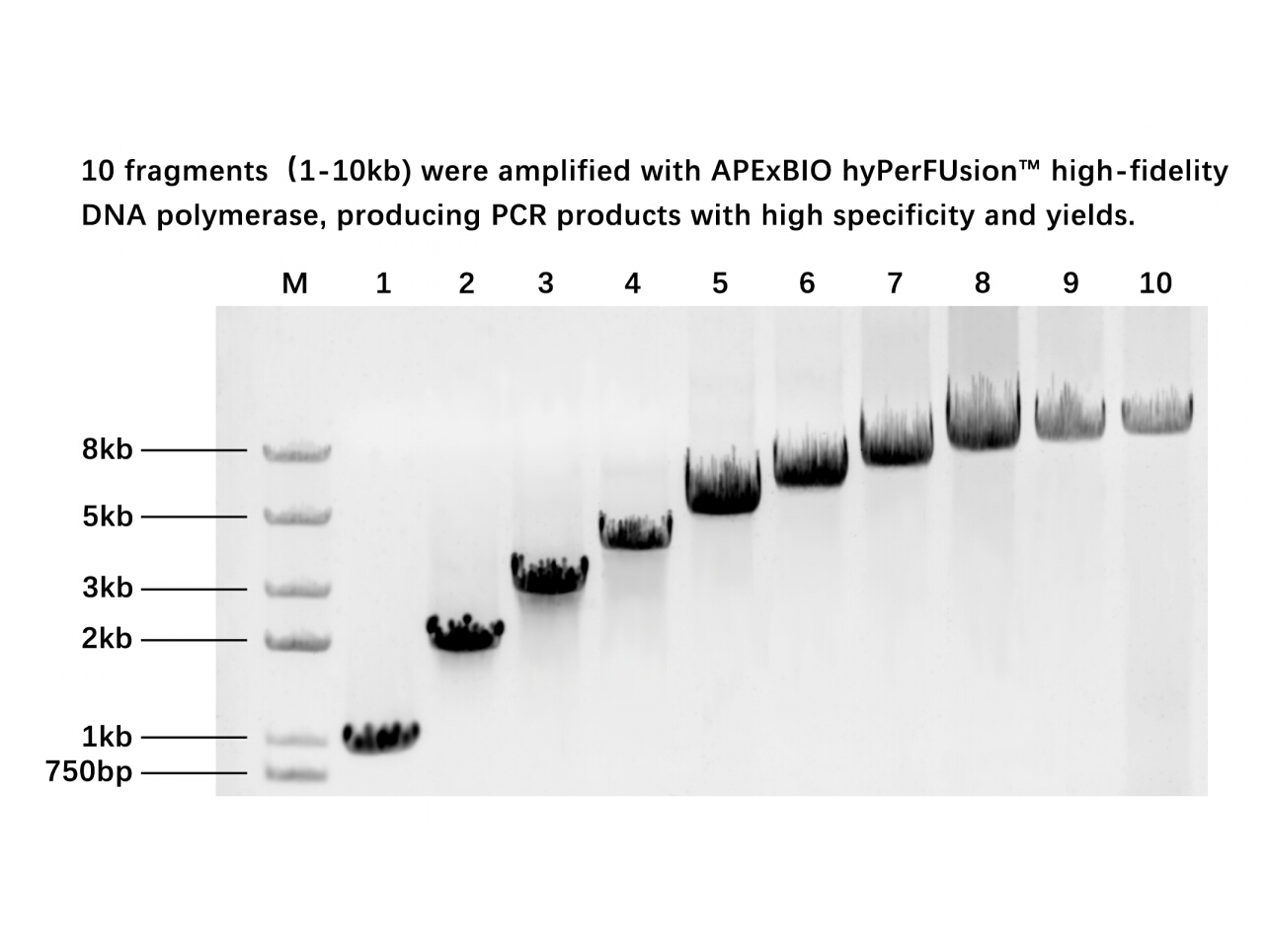
In vitro studies suggest that cPLA2α does not show clear preference for the headgroup present at the sn-3 position, although a slight preference for zwitterionic phospholipids such as PC and PE has recently been pointed out [24]. In this regard, mass spectrometry analyses of glycerophospholipid hydr
-
Diagnosis of NCC can be accomplished via
2020-11-18
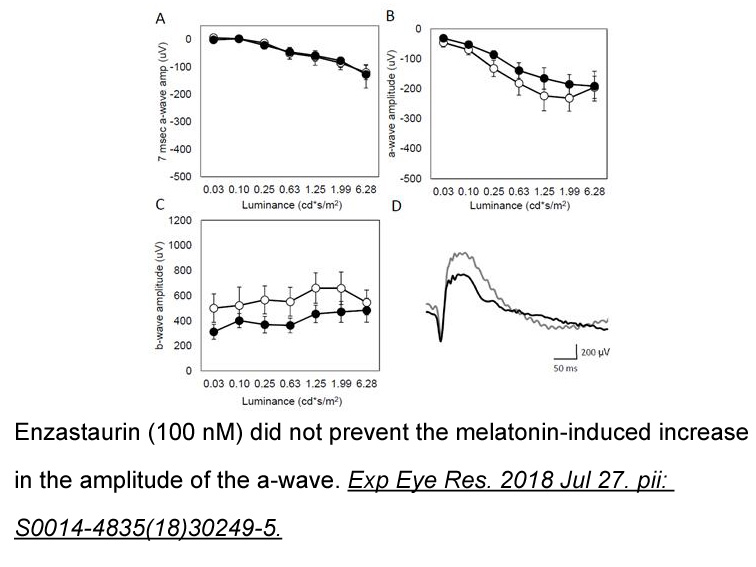
Diagnosis of NCC can be accomplished via imaging techniques and serological confirmatory testing. The best immunodiagnostic test for NCC, the enzyme-linked immunotransfer blot EITB (Tsang et al., 1989), is based on the detection of Alisol B 23-acetate to one or more of the 7 lentil-lectin glycoprot
-
Enolase is an example of
2020-11-18
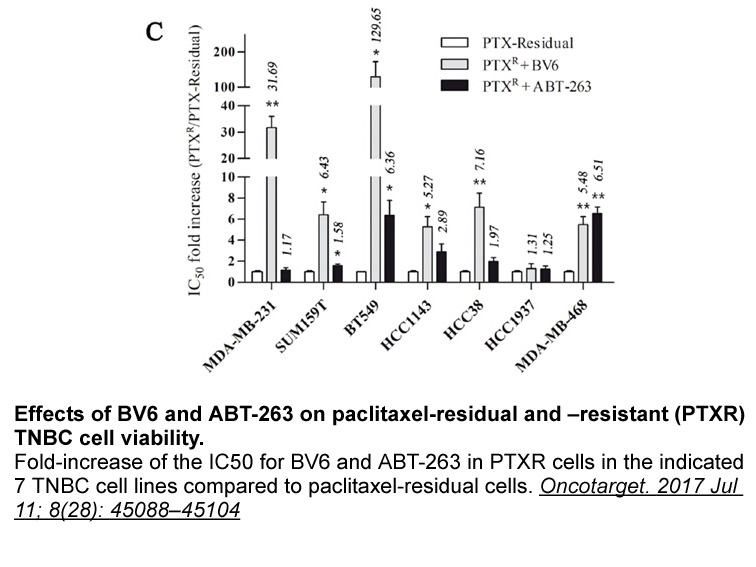
Enolase is an example of a moonlighting protein that displays multiple biological actions, including plasminogen, laminin, fibronectin, mucin and cytokeratin binding properties. It has also been described as a complement-evasion protein and as a protein capable of inducing neutrophil trap formation.
-
While we previously demonstrated that TraG is inhibited by
2020-11-18
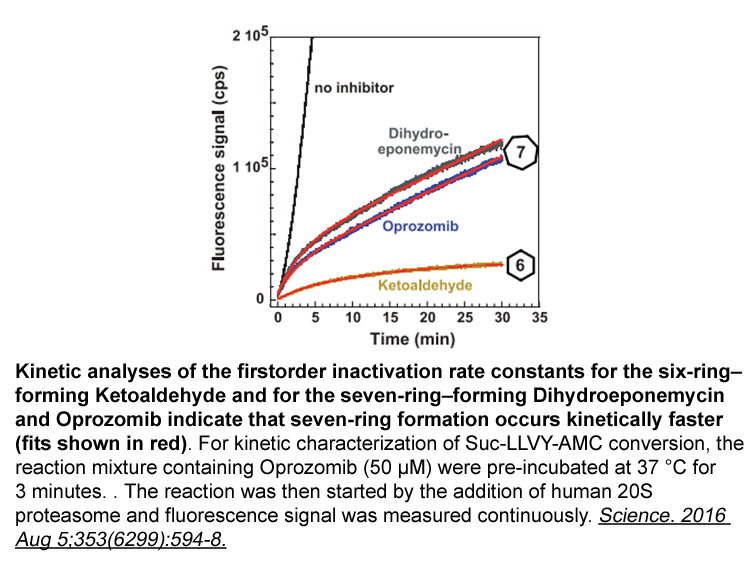
While we previously demonstrated that TraG is inhibited by specific transglycosylase inhibitors and that enzymatic activity is strongly reduced upon mutation of the potential catalytic core (Arends et al., 2013), the enzymatic mechanism of both domains was not assigned. Here, by mass spectrometry an
-
The majority of serpins inhibit serine proteases but serpins
2020-11-18

The majority of serpins inhibit serine proteases, but serpins that inhibit caspases or papain-like cysteine proteases have also been identified [4], [5]. Inhibitory serpins are ‘suicide’ or ‘single use’ inhibitors that use a unique conformational change to inhibit proteases. This conformational tran
-
Even more unambiguous was the relative contribution of
2020-11-18

Even more unambiguous was the relative contribution of Gq/11 signaling in AngII-mediated transactivation as measured by the ERK1/2 and the BRET-based readout. Although Gq/11 was absolutely required for ERK1/2 phosphorylation following AngII-stimulation, in contrast, we observed a sustained EGFR-Grb2
16960 records 817/1131 page Previous Next First page 上5页 816817818819820 下5页 Last page