Archives
- 2026-09
- 2026-08
- 2026-07
- 2026-06
- 2026-05
- 2026-04
- 2026-03
- 2026-02
- 2026-01
- 2025-12
- 2025-11
- 2025-10
- 2025-09
- 2025-03
- 2025-02
- 2025-01
- 2024-12
- 2024-11
- 2024-10
- 2024-09
- 2024-08
- 2024-07
- 2024-06
- 2024-05
- 2024-04
- 2024-03
- 2024-02
- 2024-01
- 2023-12
- 2023-11
- 2023-10
- 2023-09
- 2023-08
- 2023-07
- 2023-06
- 2023-05
- 2023-04
- 2023-03
- 2023-02
- 2023-01
- 2022-12
- 2022-11
- 2022-10
- 2022-09
- 2022-08
- 2022-07
- 2022-06
- 2022-05
- 2022-04
- 2022-03
- 2022-02
- 2022-01
-
The hypothalamic pituitary adrenal HPA axis is a
2023-08-22
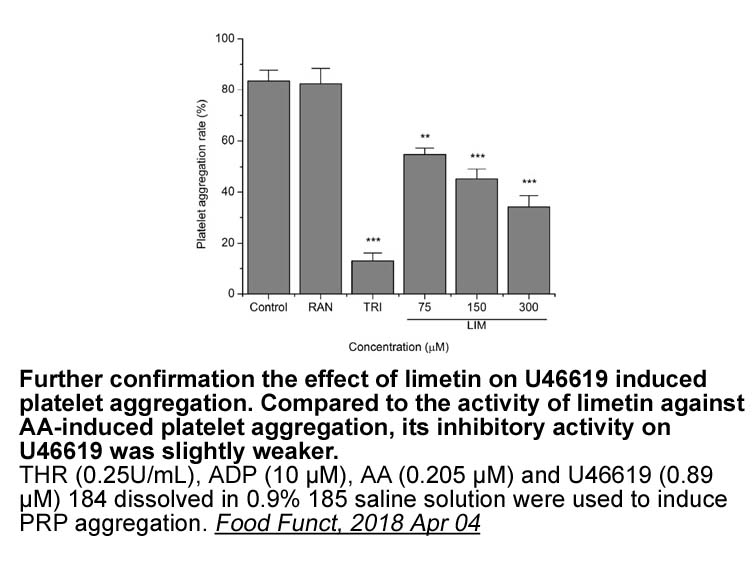
The hypothalamic-pituitary-adrenal (HPA) axis is a neuroendocrine system that is central to regulating responses to stress (Palazidou, 2012). In older persons, a high dysfunction of the HPA axis is observed (Otte et al., 2005) which may be enhanced by stimulatory effects of genes involved in the axi
-
br ATX LPA pathway in animal
2023-08-22
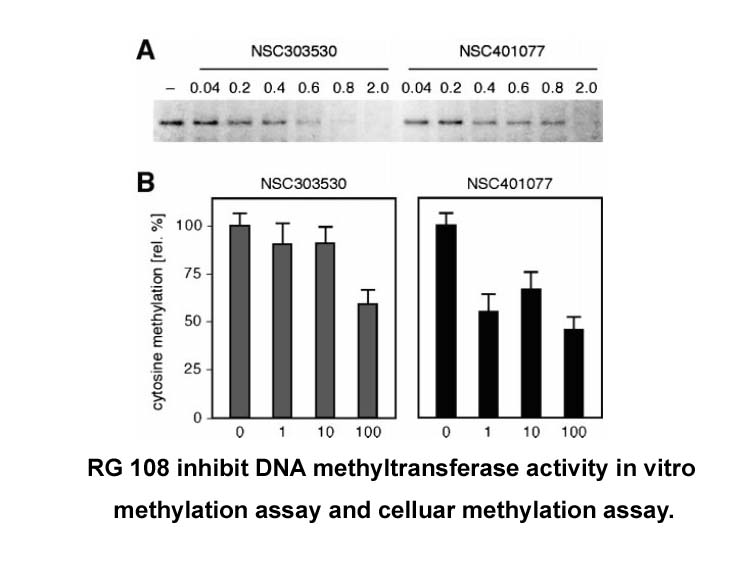
ATX–LPA pathway in animal models of rheumatoid arthritis Several animal models have been used to characterize the mechanisms involved in the pathogenesis of arthritis and to test new therapeutic strategies. The collagen-induced arthritis (CIA) model (Courtenay et al., 1980, Luross and Williams, 2
-
Imatinib is a well known anticancer drug used in Chronic
2023-08-22
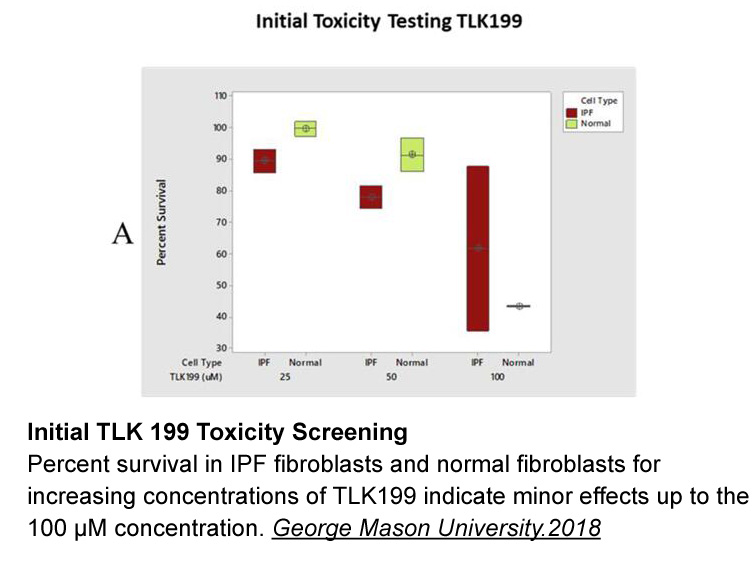
Imatinib is a well-known anticancer drug used in Chronic Myeloid Leukemia (CML) against the altered expression/activity of tyrosine kinase resulting from the fusion of BCR-ABL in leukemic blasts. It has been demonstrated that Imatinib can induce autophagy in BCR-ABL expressing mavacamten mg (K562 c
-
In pancreatic islets we found an increase in protein
2023-08-22
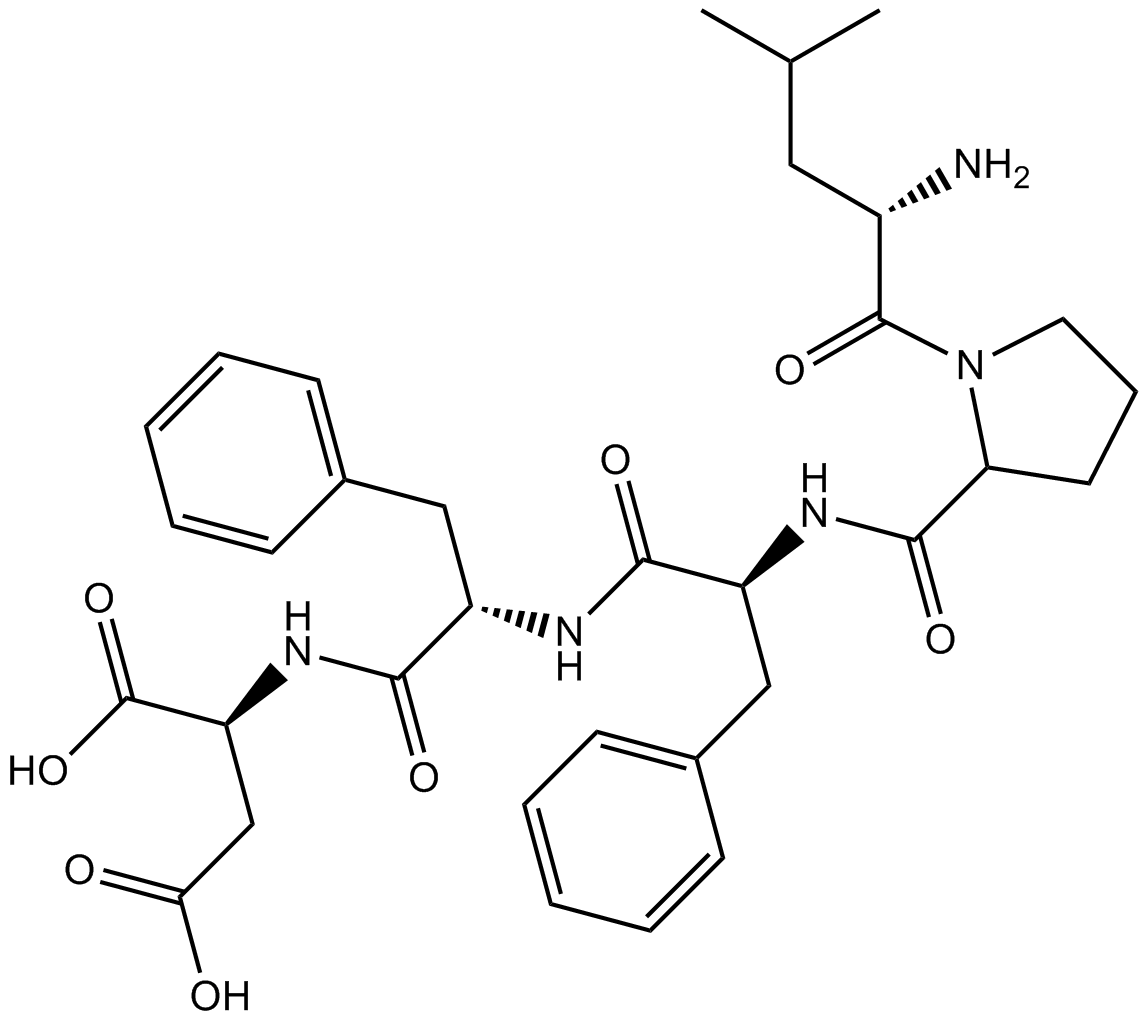
In pancreatic islets we found an increase in protein expression of leukocyte 12/15-LO that paralleled the metabolic decline characterized by severe hyperglycemia and reduced islet numbers. Similar increase in 12/15-LO expression by Western blot was found in the control mice, which have a normal meta
-
In the present study we showed that LOX
2023-08-22
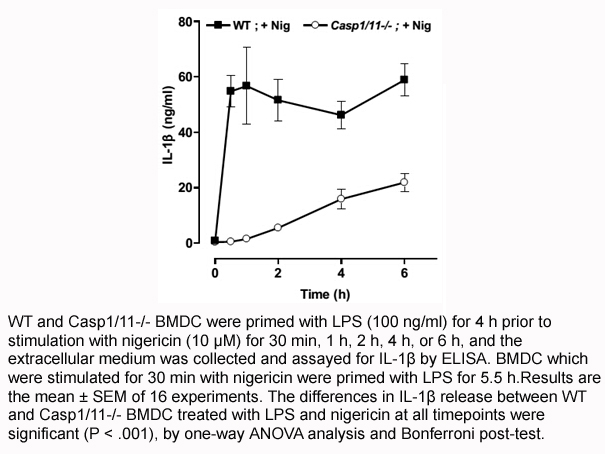
In the present study, we showed that 15-LOX metabolites, which are the precursors of anti-inflammatory and pro-resolving lipid mediators, were decreased in the unaffected skin area of the OS model rats by comprehensive lipidomics analyses. Furthermore, subsequent microarray analyses demonstrated tha
-
Previous investigations have established that aromatase acti
2023-08-22
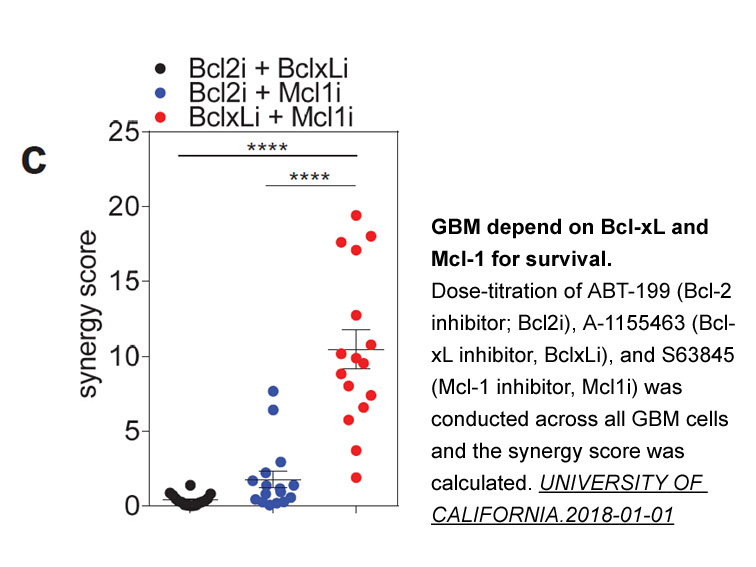
Previous investigations have established that aromatase activity is regulated via two different pathways in a tissue-specific manner. The first is a slower transcription regulatory pathway that involves an alteration in gene transcription and represents what is classically thought of as the way by w
-
Use of RASB is associated
2023-08-22
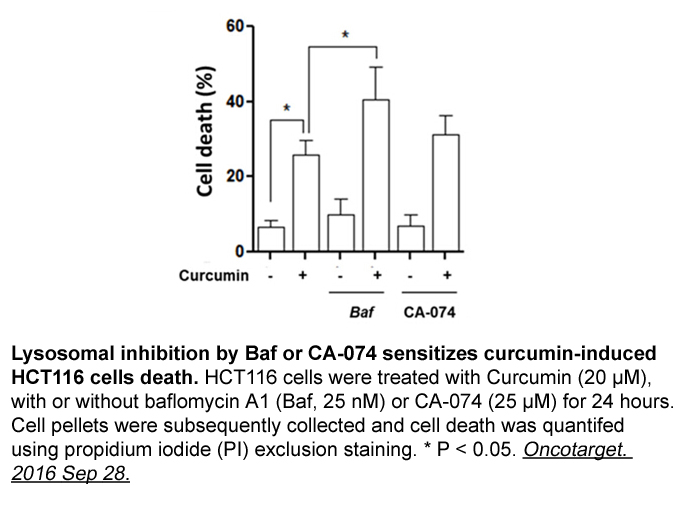
Use of RASB is associated with potential concerns about side effects such as acute kidney injury or hyperkalemia, and clinicians are reluctant to prescribe RASB in patients with severe renal dysfunction (estimated GFR Conclusions Conflict of interest Acknowledgement Introduction Renin-an
-
Aconitase clusters are prone to oxidations and are among
2023-08-22
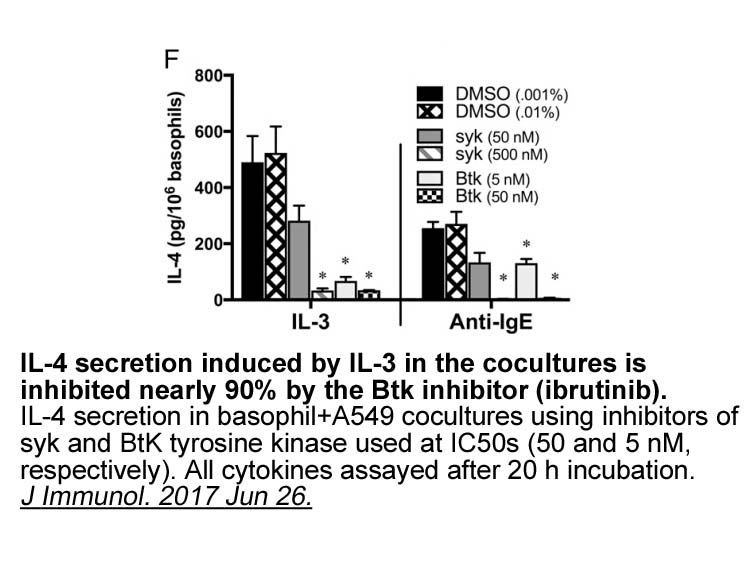
Aconitase clusters are prone to oxidations and are among the first to undergo a change in transition state during stages of electrophilic stress rendering them inactive [31]. Aconitase activity in LETO and OLETF did not differ at T0 suggesting that the early onset of insulin resistance may not be at
-
The association of male gender with increased
2023-08-22
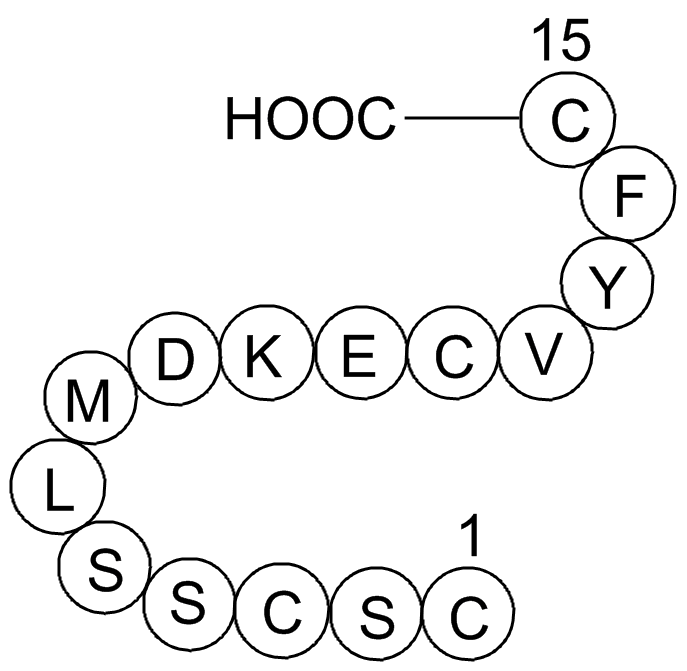
The association of male gender with increased atherosclerosis has stimulated interest in the role of androgen signalling in this condition. Androgens act (Fig. 2) by direct activation of androgen receptor (AR), a nuclear receptor that acts as a ligand-regulated transcription factor (Gao et al., 2005
-
br Acknowledgements This work was
2023-08-22

Acknowledgements This work was supported by National Natural Science Foundation of China (Nos. 21376172, 21528601 and 21621004) and the Natural Science Foundation of Tianjin from Tianjin Municipal Science and Technology Commission (Contract No. 16JCZDJC32300). Introduction Alzheimer’s disease
-
Both AD and dyslipidemias are global public health
2023-08-22
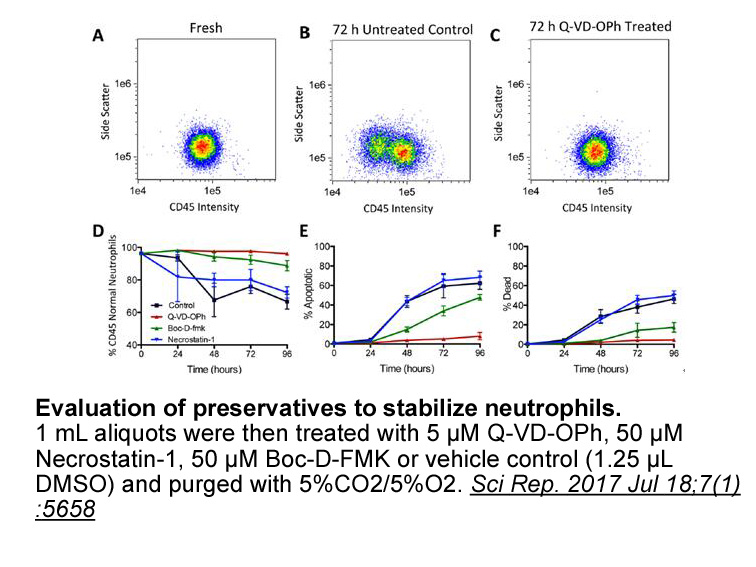
Both AD and dyslipidemias are global public health problems, and an increase in their incidence over the next decades is expected. Among many triggering elements, the increase in life expectancy is one of the main risk factors associated with the increase in the incidence of AD. Meanwhile, dyslipide
-
br Conclusion br Introduction The
2023-08-22
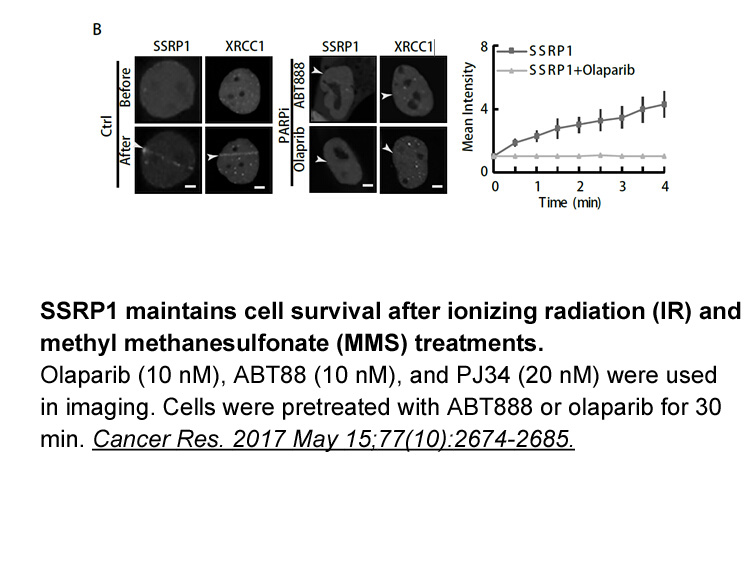
Conclusion Introduction The identification of Alzheimer's disease (AD) biomarkers and their ability to measure pathology antemortem has led to a fundamental reconsideration of the pathogenesis of AD. The importance of biomarkers was already reflected in revised diagnostic criteria proposed by
-
Ketogenic diets are more effective in
2023-08-21
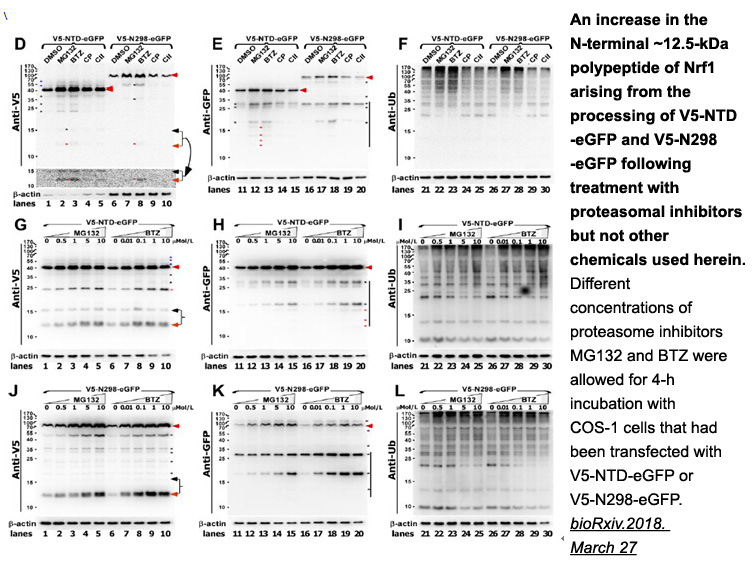
Ketogenic diets are more effective in promoting weight loss than conventional caloric restriction [26] however, their effect on hepatic glucose and lipid metabolism remains inconclusive. Blood glucose homeostasis is tightly regulated. In both mice and humans consuming KD, baseline blood glucose decr
-
Until now five muscarinic receptor M genes have been cloned
2023-08-21
Until now, five muscarinic receptor (M1-5) genes have been cloned, but, M1-3 receptors are functionally recognized in the lungs. Smooth muscle contraction is mainly mediated by M3. M2 may also participate in the contraction via Gi protein which leads to a decrease in cAMP. On the other hand, M2 is l
-
Through activation of the CD GOPC
2023-08-21
Through activation of the CD46–GOPC pathway, attenuated/vaccinal MeVs rapidly induce a transient phase of autophagy which then diminishes with no signs of negative regulation and precedes a second autophagy phase related to viral protein synthesis [115]. In sharp contrast, virulent MeVs do not inter
8737 records 339/583 page Previous Next First page 上5页 336337338339340 下5页 Last page