Archives
- 2026-08
- 2026-07
- 2026-06
- 2026-05
- 2026-04
- 2026-03
- 2026-02
- 2026-01
- 2025-12
- 2025-11
- 2025-10
- 2025-09
- 2025-03
- 2025-02
- 2025-01
- 2024-12
- 2024-11
- 2024-10
- 2024-09
- 2024-08
- 2024-07
- 2024-06
- 2024-05
- 2024-04
- 2024-03
- 2024-02
- 2024-01
- 2023-12
- 2023-11
- 2023-10
- 2023-09
- 2023-08
- 2023-07
- 2023-06
- 2023-05
- 2023-04
- 2023-03
- 2023-02
- 2023-01
- 2022-12
- 2022-11
- 2022-10
- 2022-09
- 2022-08
- 2022-07
- 2022-06
- 2022-05
- 2022-04
- 2022-03
- 2022-02
- 2022-01
- 2021-12
- 2021-11
- 2021-10
- 2021-09
- 2021-08
- 2021-07
- 2021-06
- 2021-05
- 2021-04
- 2021-03
- 2021-02
- 2021-01
- 2020-12
- 2020-11
- 2020-10
- 2020-09
- 2020-08
- 2020-07
- 2020-06
- 2020-05
- 2020-04
- 2020-03
- 2020-02
- 2020-01
- 2019-12
- 2019-11
- 2019-10
- 2019-09
- 2019-08
- 2019-07
- 2019-06
- 2019-05
- 2019-04
- 2018-11
- 2018-10
- 2018-07
-
Replacement of the saturated propoxy group in compound with
2019-08-29
Replacement of the saturated -propoxy group in compound with the unsaturated allyloxy group to obtain compound resulted in 10-fold decrease in ET receptor antagonism and more than 20-fold decrease in ET-selectivity. Analogous unsaturated allyloxy compound in the tetrazole series was found to have
-
To identify and characterize new possible molecular targets
2019-08-29
To identify and characterize new possible molecular targets, the mechanisms of various kinds of TCDD toxicities that occur by abnormal regulation in the downstream of AhR signals have been studied (Yoshioka et al., 2011). Experimental evidence has revealed that prostanoids (i.e., prostaglandins and
-
In the present study we found that the up regulatory
2019-08-29
In the present study, we found that the up-regulatory effects of androgens on ep1 transcripts might be mediated by Arα in the olfactory rosette of B. sinensis. However, in mammals, there is no evidence of AR expression in either the vomeronasal organ or the sensory epithelium of main olfactory epith
-
br Summary and perspectives In recent decades enormous
2019-08-29
Summary and perspectives In recent decades, enormous advances have been achieved in the development of enzyme-activatable imaging probes, enabling the accurate detection of enzyme activity in vivo to better understand the biological function of enzymes in disease processes. Activatable probes are
-
br Ultrasonic pretreatment of substrates Substrate pretreatm
2019-08-29

Ultrasonic pretreatment of substrates Substrate pretreatment is widely used in the biofuel, textile and food industries since the substrates are always difficult to degrade. During some enzymatic hydrolysis reactions, the protective layer of the substrate impedes the reaction. Ultrasonic treatmen
-
br Author Contributions br Acknowledgments br
2019-08-29
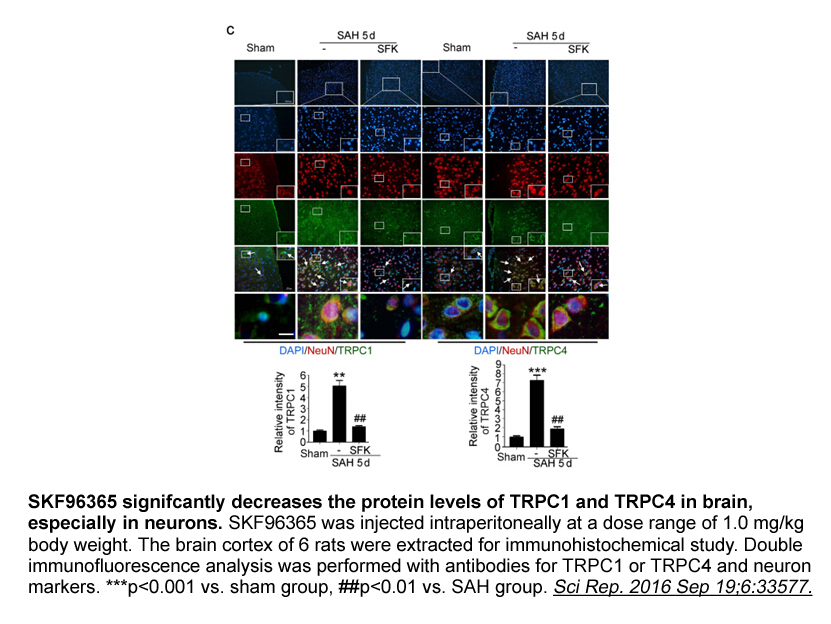
Author Contributions Acknowledgments Introduction Osteoporosis is a common bone disease that frequently leads to disruption of the alveolar and systemic bones with age. Novel osteoanabolic strategies to treat osteoporotic bone loss or augment fracture repair efficiently are desired. Since b
-
br Experimental Procedures br Acknowledgments br Bisphenol
2019-08-28
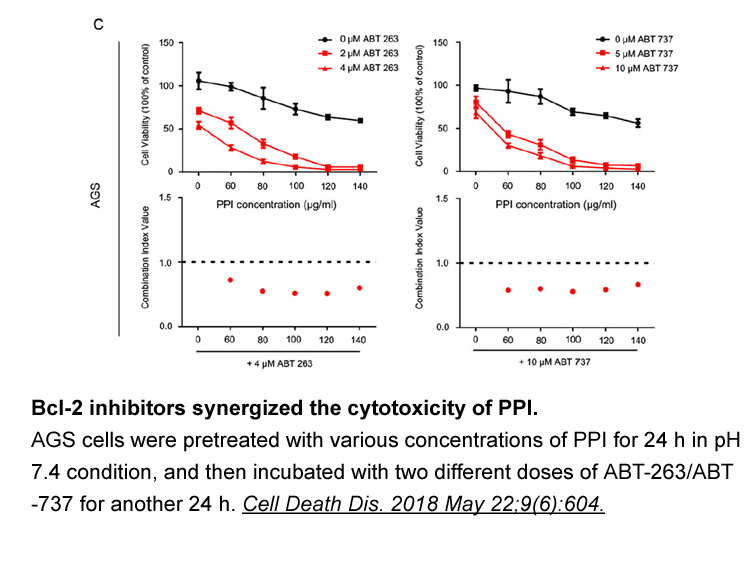
Experimental Procedures Acknowledgments Bisphenol A (BPA) has been recognized as one of the most potent endocrine disruptors, functioning even at very low doses. Although it is anticipated that Gentamycin Sulfate receptor (ER) would mediate these effects of low-dose BPA, studies revealed tha
-
br Materials and methods br
2019-08-28
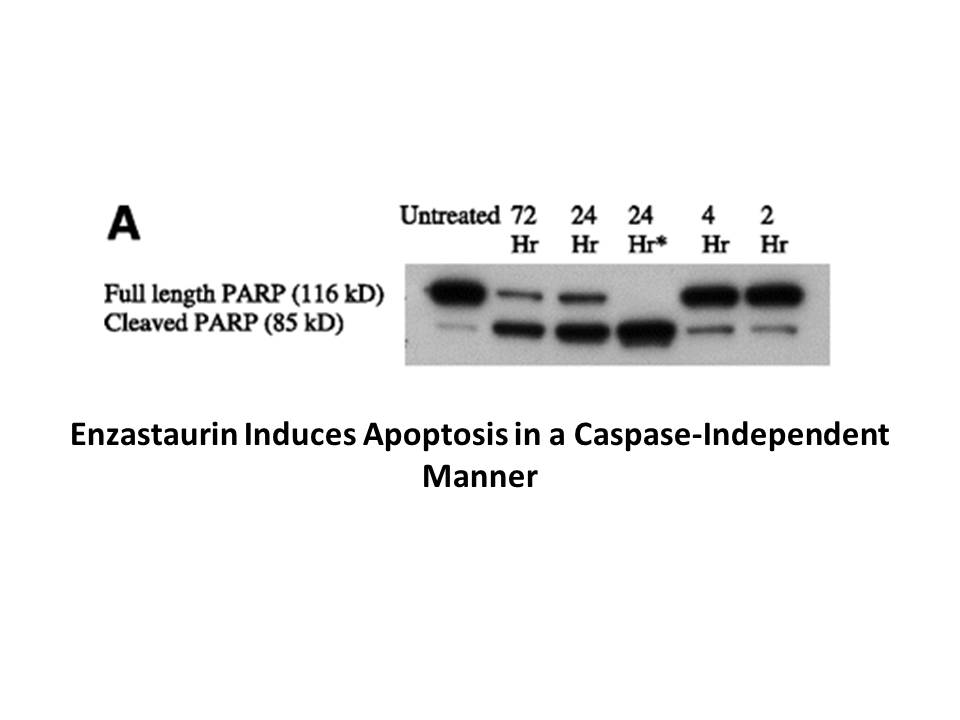
Materials and methods Results Discussion In particular, we showed that pancreatic neuroendocrine tumor (+)-MK 801 recognize cAMP as a stimulatory signal for cell proliferation. Conversely, cAMP was found to have an inhibitory effect on cell proliferation in bronchial carcinoids cells. The
-
office result PI K Akt eNOS signaling is long been
2019-08-28
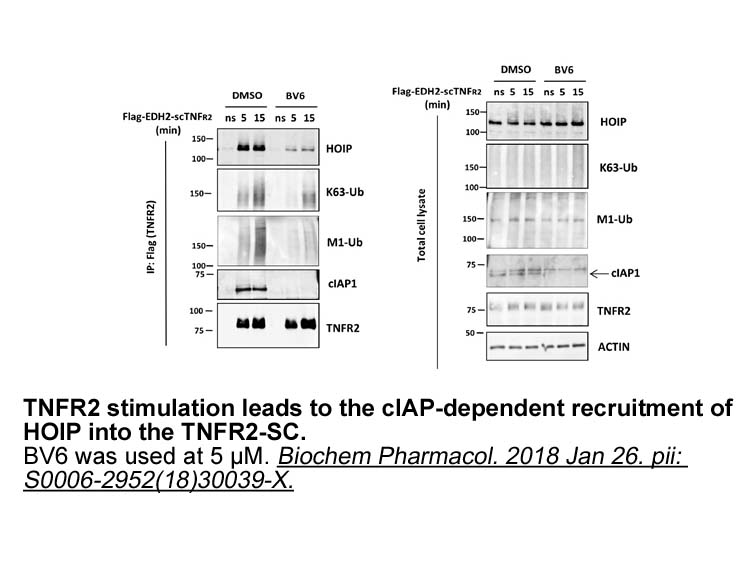
PI3K-Akt-eNOS signaling is long been known as a cell survival pathway in cardiology [8]. Current study has shown that ginsenosides, which is demonstrated to exhibit cardioprotective effect in several aspects, prevented cardiac ischemia/reperfusion injury via upregulation of PI3K and phosphorylations
-
Initially the cause of hypoglycemia was not apparent There
2019-08-28
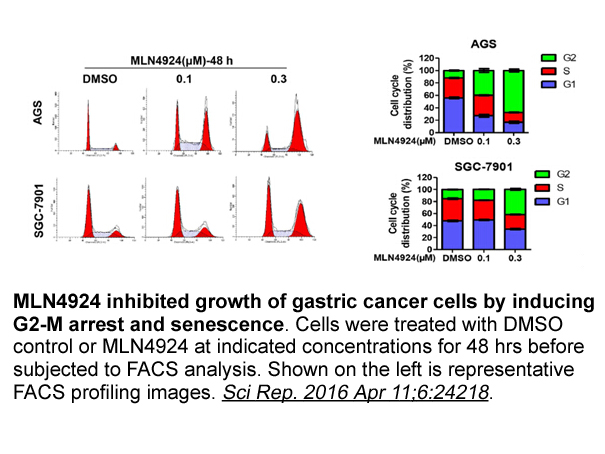
Initially, the cause of hypoglycemia was not apparent. There was no detectable lesion in the pancreas on plain computed tomography, and anti-insulin antibody was negative. Eight hours after hospital admission, his son discovered that the patient had accidentally taken glimepiride 3mg/day for 3 days.
-
In light of the overall
2019-08-28
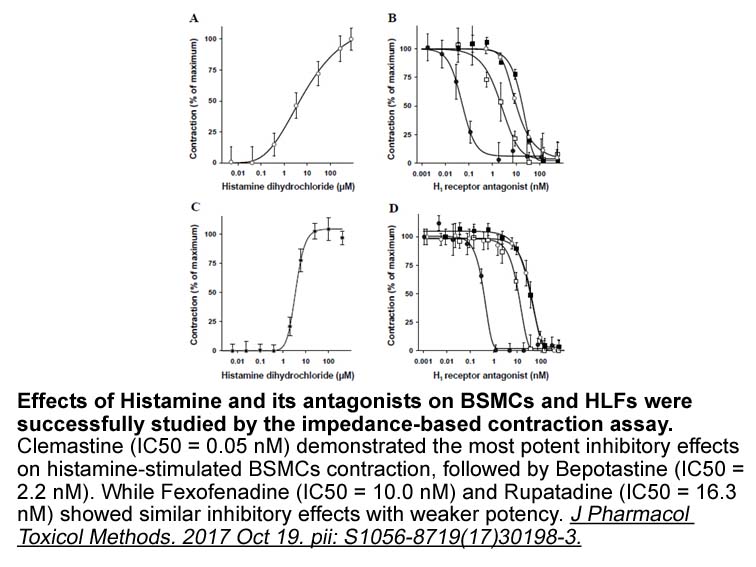
In light of the overall loss of activity and selectivity observed with this series of arylchromenone-4-ones bearing small -alkoxy substituents, we were pleased to identify a potent and relatively selective inhibitor , exhibiting IC values of 0.008μM and 0.07μM for DNA-PK and PI3Kα, respectively. The
-
br Conclusion The past few years have witnessed
2019-08-27
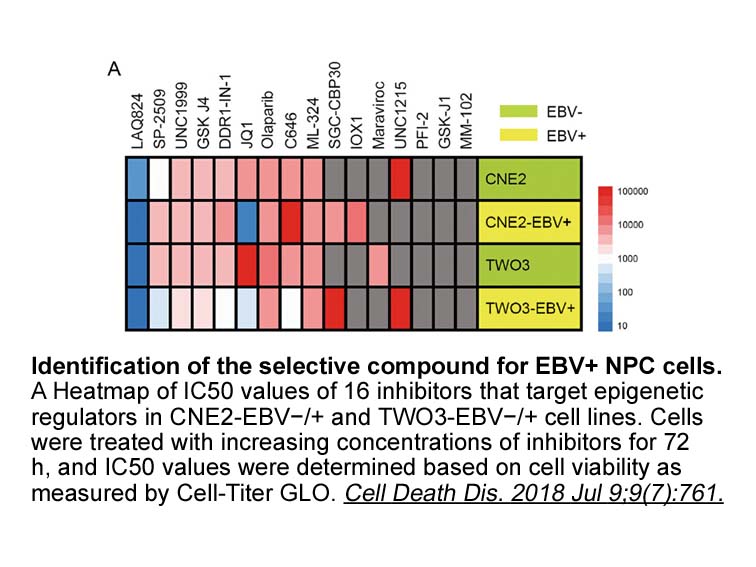
Conclusion The past few years have witnessed substantial progress in understanding the structural mechanisms of substrate recognition and the reactions catalyzed by the O-GlcNAc-cycling enzymes, but more work remains. In particular, future research will be needed to establish how OGT and OGA inte
-
br Conflict of interest br
2019-08-27
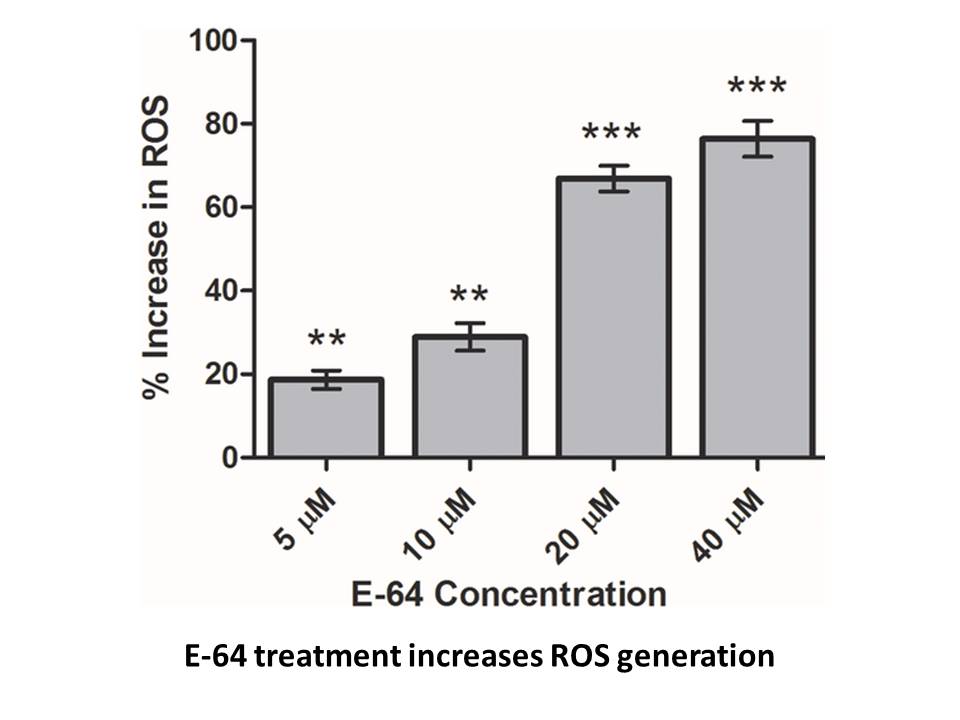
Conflict of interest Acknowledgments We thank Jianru Zuo (Institute of Genetics and Developmental Biology, Chinese Academy of Sciences, Beijing, China) for providing fbr11-1 seeds. We are grateful to Carol MacKintosh and the DSTT at the University of Dundee (UK) for anti-RD21 antibodies. This
-
In conclusion we demonstrated phenoconversion of
2019-08-27
In conclusion, we demonstrated phenoconversion of CYP3A in stable kidney transplant recipients, and that higher plasma indoxyl sulfate concentrations in these subjects may be involved in the phenomenon. The present findings suggest that dose adjustment of drugs metabolized by CYP3A may be needed in
-
Preparation of the pyridyl ether analogs was accomplished by
2019-08-27
Preparation of the 2-pyridyl ether analogs (–) was accomplished by alkylation of alcohol with 2-bromopyridines in the presence of NaH to afford the desired pyridyl ether analogs in low to moderate yield. Preparation of the 3-pyridyl analog was carried out by conversion of alcohol to the tosylate,
16958 records 1036/1131 page Previous Next First page 上5页 10361037103810391040 下5页 Last page